Ask a corporate gift supplier in Malaysia what a branded tumbler costs and the honest answer is a question back: how many, with what on it, by when, and boxed how? That is not evasion. The same tumbler with a one-colour logo for 300 people in a plain sleeve and the same tumbler laser-engraved for 30 directors in a rigid presentation box are two different jobs that happen to share a product code, and a single number for both would be wrong for at least one of them.
This guide sets out how the number is actually built, so a buyer can read a quotation rather than take it on trust — and brief a supplier in a way that gets the right figure the first time.
What a 'from' price is, and what it is not
A 'from' price on a product page is the indicative unit price at that product's minimum order quantity, before SST, with the simplest decoration. It exists so a buyer can tell a RM15 item from a RM150 item at a glance while shortlisting. It is not a quotation, and it is not the number a finance team should put in a purchase order.
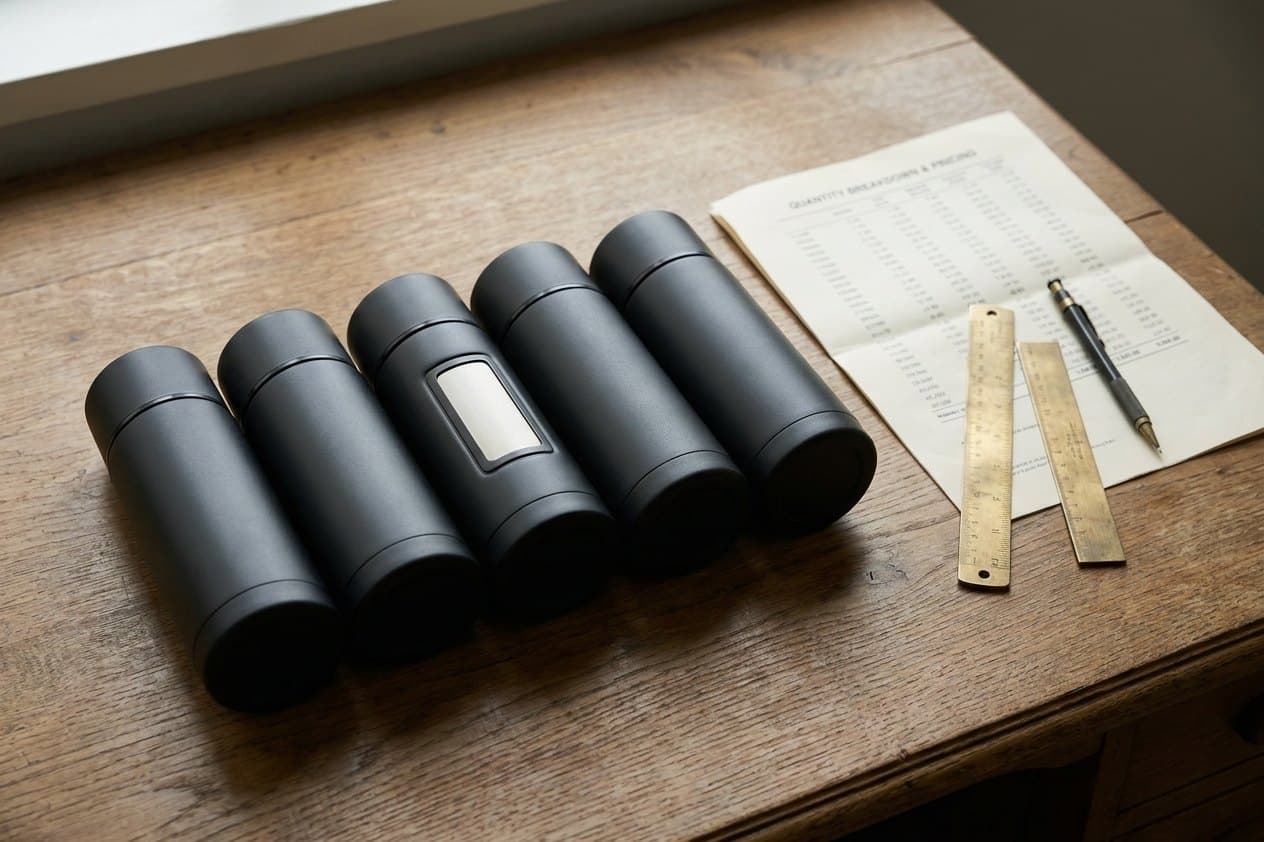
Two things move it, in opposite directions. Quantity moves it down: the set-up cost of a print run — the screen, the engraving jig, the artwork check — is spread across every piece, so 1,000 pieces cost less each than 100. Everything else moves it up: a second print colour, a different decoration method, a gift box, individual naming, a rushed delivery. The quotation is where those are added, and it is why a quotation from a serious supplier itemises them rather than quoting one lump.
The four things that move the number
Decoration is a priced variable, not a surcharge — and that only works when the supplier owns the machine.
Everything else — colour choice, artwork, delivery address — changes the price only at the edges. If a quotation moves a lot between drafts, one of these four is what moved.
- Quantity. The single biggest lever, and the one most within the buyer's control. Pooling three departments' orders into one run is the cheapest thing a buyer can do.
- Branding method. A one-colour silkscreen is the baseline. Laser engraving, UV printing on a curved surface, embroidery on a garment and a two-position print each carry a different set-up and a different per-piece rate. At Goldvest these are done in-house in Penang, which is why each method can be priced as its own option rather than passed through from a third party at a margin.
- Deadline. Ready-stock items branded in a local workshop ship in a fraction of the time of an item made to order overseas. A deadline inside the made-to-order window forces either air freight or a switch to ready stock — both change the price, and a good supplier says so before quoting rather than after.
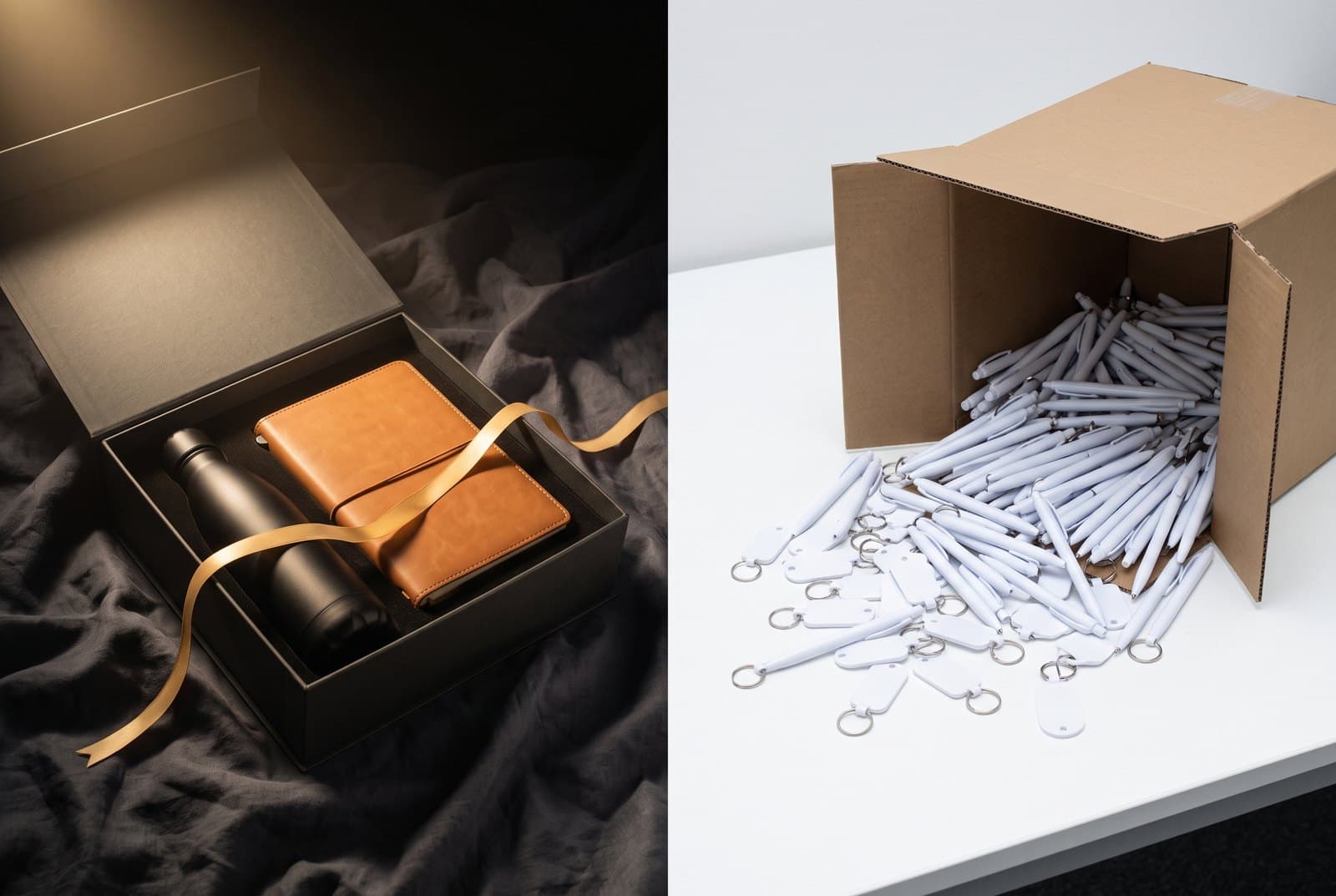
- Packaging and kitting. A plain polybag is nearly free; a printed sleeve, a rigid box or a kit of five items packed per person with a name card is real labour and real material. It is also where most of the perceived value of a premium gift comes from, so it is worth pricing deliberately rather than leaving to the end.
SST, samples and the lines people miss
Sales and Service Tax is charged on top of the quoted price, and a quotation will say so. Comparing one supplier's price with tax against another's without it is the most common way two quotations get misread; check the line before comparing the totals.
A sample is the step between the quotation and the production order — the real item, in the real colour, with your logo applied by the real method, in your hands before anything is made in volume. How the sample is arranged depends on the item, and a supplier should state it on the quotation. Approving a photograph instead of a sample is how a batch of 500 arrives with the logo a shade off and nobody able to say whose fault it was.
Delivery is usually quoted separately, because a single drop to one office and fifteen drops to regional offices across three countries are not the same job. If the gifts are going to people rather than to a stockroom, say so at the briefing stage.
How to brief a supplier so the quotation comes back right
With those five things a supplier can quote accurately in one working day and tell you plainly which of the four levers to move if the number is above budget. Without them, the first quotation is a guess dressed as a price, and every round after it is the buyer paying in time for what could have been said in an email.
- The product or the idea — a catalogue code, or 'something for a new-joiner kit around RM80 a head'.
- The quantity, honestly, including whether it might grow. A supplier can hold a price band open; they cannot re-run set-up for free.
- The date the gifts must be in people's hands — not the date you would like them dispatched.
- The artwork you have, in the format you have it, and how many colours it uses.
- How it should be packed, and whether each recipient gets an identical kit or a named one.
Bring us your brief.
Bring us the five things above and we will send back a quotation that itemises quantity, branding, packaging and delivery — with a sample arranged before anything goes into production. Every product page states its own minimum order quantity, and the enquiry form takes the rest.
Start a brief